

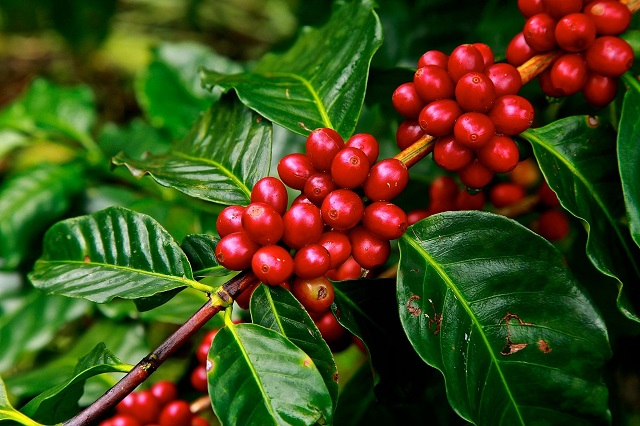
Uganda is taking big steps to ensure its coffee production remains environmentally friendly. With the deadline looming, the Uganda Coffee Development Authority (UCDA) is leading the charge to make sure that by January 1, 2025, coffee farming in the country is free from deforestation.
Why is this so important? Well, one big reason is the European Union’s stance on deforestation. They’ve made it crystal clear: if Uganda wants to export its coffee to EU member states, it needs to ensure that its supply chains are not contributing to deforestation. This isn’t just a suggestion; it’s a condition set by the EU.
The EU’s Deforestation Regulation is strict. It insists that only goods not linked to deforestation or forest degradation can enter its markets. That means Uganda’s coffee has to meet these standards if it wants to keep its place in the EU market.
Dr. Emmanuel Iyamulemye, the managing director of UCDA, knows the importance of complying with these regulations. “We already have the national coffee register where farmers are registered, the number of trees they have and their location but we had not brought in EU Deforestation Regulation because by 2021, the regulations were not in place,” he said.
But how will Uganda ensure compliance? Well, they’re not leaving it to chance. They’re planning to integrate the EU regulations into their national coffee register. This will help ensure that farmers follow the rules, keeping their coffee production sustainable and deforestation-free.
Using cutting-edge technology is also part of Uganda’s strategy. They’re turning to satellite imagery and artificial intelligence to map out areas that were once forests in 2020 but have since been encroached upon. This will help identify areas where deforestation has occurred, allowing for targeted action.
Yet, Uganda faces a challenge. The deadline is fast approaching, and there’s a lot of ground to cover. That’s why they’re seeking the EU’s acceptance of a territorial approach. This would allow for a more flexible implementation of the regulations, given the short timeframe.
Come January 1, 2025, the regulations will come into full effect. Coffee planted after 2020 in deforested areas won’t make it to the EU market. It’s a clear message: deforestation will not be tolerated.
Ms. Brendah Natukunda, the National Coordinator for the International Trade Centre, stresses the importance of sustainable agriculture in light of these regulations. It’s not just about meeting the EU’s requirements; it’s about ensuring the long-term viability of Uganda’s coffee industry.











+ There are no comments
Add yours