

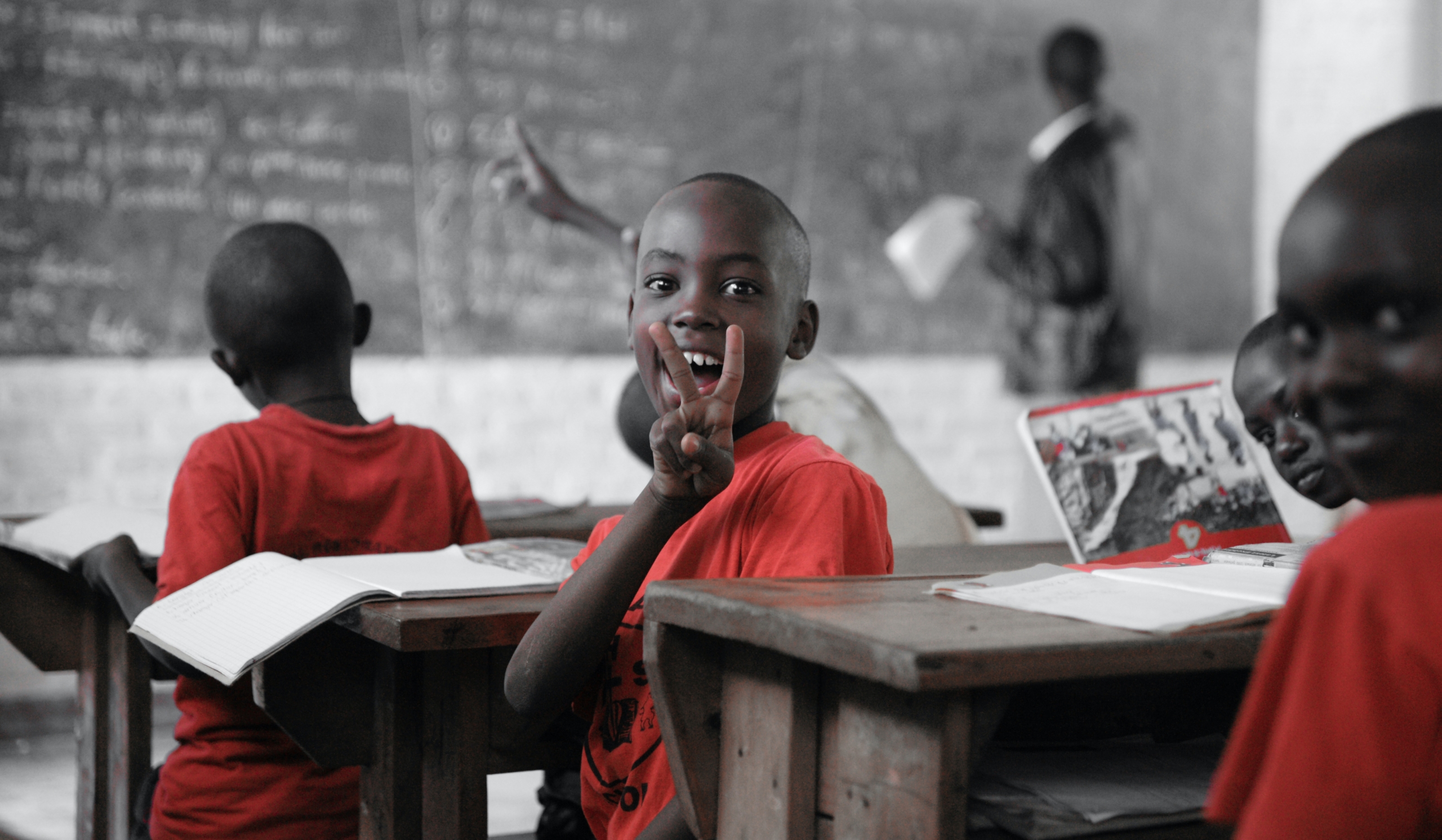
The World Bank highlights Uganda’s inadequate education spending, prompting the Minister of Education to call for collaborative efforts to address high dropout rates, particularly among boys.
In its most recent Economic Update on the nation’s economic status, the global financial institution highlighted Uganda’s consistent underspending on education, noting that it falls short of international standards and trails behind neighboring East African countries in expenditure.
According to the report from the World Bank, Uganda’s allocation towards public education has remained notably low over the past few decades, failing to meet global benchmarks and the average spending levels seen in nearby East African nations.
While policies aimed at fostering universal access to primary and secondary education have expanded educational opportunities, the government must bolster its investment in education to realize its objectives, especially in light of population growth. Currently, households shoulder a disproportionate burden of education financing.
The report further points out that while many children enroll in primary education, completion rates are dismal, and academic performance remains subpar.
High rates of grade repetition, particularly in the first grade, stem largely from insufficient provision of early childhood education. Moreover, a significant portion of children drop out before completing secondary education.
Minister of Education and Sports, Janet Kataaha Museveni, recently urged collaborative efforts to tackle the concerning issue of school dropouts in Uganda. Expressing concern over why boys, in particular, are not completing primary education, she stressed the need for solutions addressing the root causes to curb this escalating trend.












+ There are no comments
Add yours