

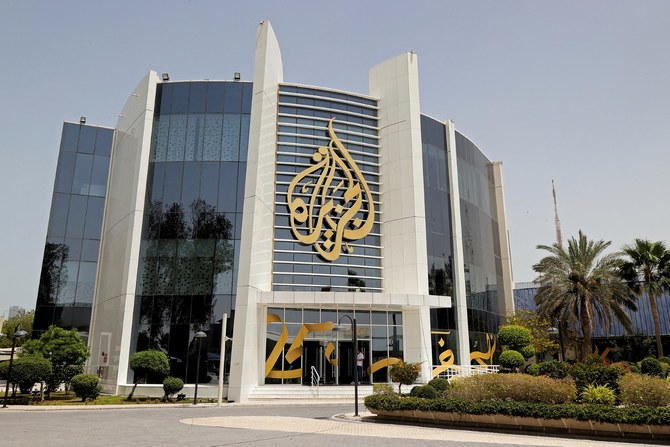
In a recent development, the Israeli parliament has passed a law to ban several television channels, including the widely-known news network Al Jazeera. This decision has stirred up controversy both within Israel and beyond its borders.
Prime Minister Netanyahu wasted no time in taking action, announcing his intention to immediately shut down Al Jazeera’s local office. This swift response underscores the government’s determination to enforce the ban.
The United States has expressed concern over the ban, emphasizing the importance of press freedom. This international scrutiny reflects the significance of Israel’s actions.
Despite the ban on foreign journalists, Al Jazeera’s staff stationed in Gaza continue to provide vital coverage of the region’s events. Their reporting remains crucial amidst restrictions on other international media outlets.
The Israeli Knesset has authorized temporary bans on foreign networks deemed national security threats, renewable every 45 days. These bans are currently set to remain in effect until July or the resolution of significant conflicts involving Gaza.
Prime Minister Netanyahu has labeled Al Jazeera as a “terrorist channel,” highlighting the deep-seated tensions between Israel and the news network.
Israeli officials accuse Al Jazeera of displaying anti-Israel bias, particularly intensifying since Hamas attacks in October. Al Jazeera, however, denies these allegations and holds Netanyahu responsible for the safety of its staff. The network accuses Israel of targeting its personnel, citing instances of journalist casualties.
Qatar’s mediation efforts in Israel-Hamas talks face uncertainty due to the ban on Al Jazeera. The impact of the ban on ceasefire negotiations remains unclear, complicating regional diplomacy.
Israel’s ban on Al Jazeera follows previous actions, including the banning of the Lebanese channel Al Mayadeen. The White House has also expressed concern over the proposed ban, indicating the international attention this issue has garnered.
The conflict between Israel and Hamas, particularly the October attacks and subsequent casualties and captives, has heightened tensions in the region. Al Jazeera’s influence since its establishment in 1996 has been significant, though it has faced criticism and censorship from some Middle Eastern governments.
Al Jazeera claims to be the first Arabic channel to feature Israeli figures on air, aiming to provide diverse perspectives on regional issues. This assertion highlights the network’s efforts to present balanced coverage despite accusations of bias.











+ There are no comments
Add yours