

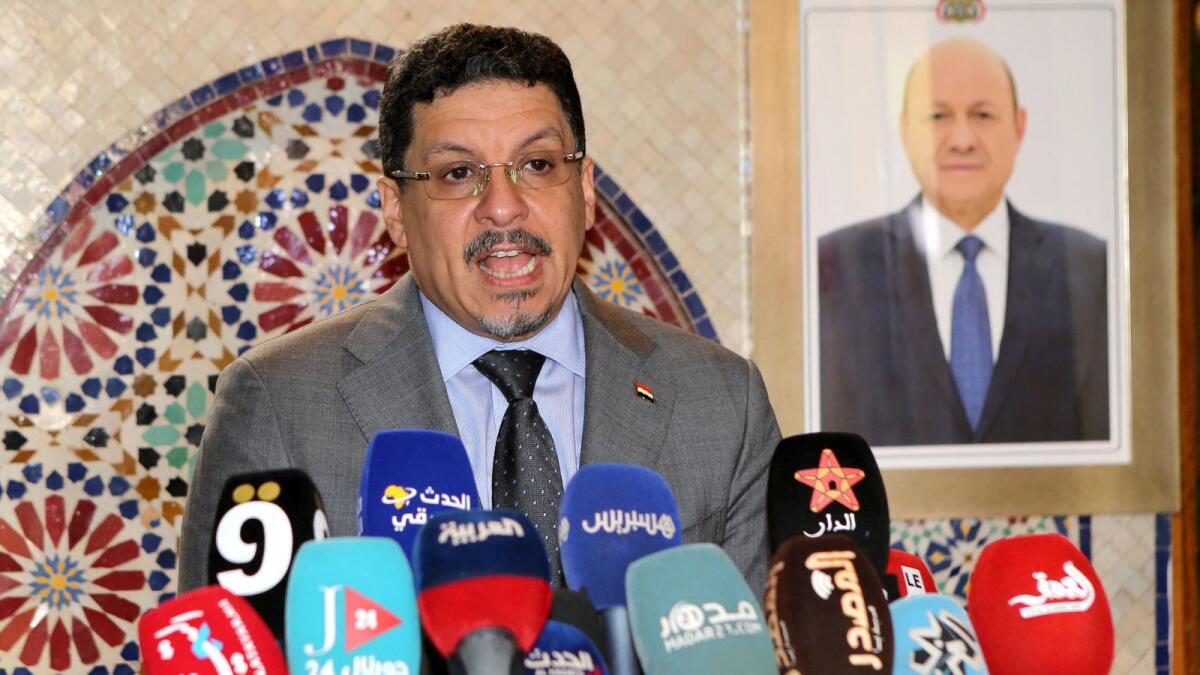
Yemen’s government appoints Foreign Minister Ahmed Awad bin Mubarak as prime minister amidst rising tensions fueled by Houthi attacks on Red Sea ships. Bin Mubarak, known for his opposition to the rebels, seeks international support to combat the insurgency, escalating conflict dynamics in the region.
Yemen’s government has made a surprising change, appointing Foreign Minister Ahmed Awad bin Mubarak as the new prime minister, replacing Maeen Abdulmalik Saeed. This move comes amid escalating tensions in the region, particularly due to recent Red Sea attacks by Houthi rebels on ships, leading to retaliatory actions by the United States and the UK.
The announcement of bin Mubarak’s appointment was made through a decree from Yemen’s Presidential Leadership Council, as reported by the official Saba news agency on Monday. The decree also reassigned the outgoing prime minister to the position of presidential adviser, without specifying the reasons behind the decision.
Bin Mubarak, a former Yemeni ambassador to the US, has long been known as a fierce opponent of the Houthi rebels. His prominence rose in 2015 when he was abducted by the Houthis during a power struggle while serving as Yemen’s presidential chief of staff under then-President Abd-Rabbu Mansour Hadi. This event exacerbated Yemen’s political crisis, leading to clashes between the Houthis and Hadi’s presidential guards and subsequent resignations by the president and his government.
Bin Mubarak was further appointed as Yemen’s envoy to the United Nations in 2018. According to Mohammed Al-Basha, a Yemen expert with the US-based Navanti research group, bin Mubarak played a significant role in the Saudi-led coalition’s intervention against the Houthis in 2015, aimed at supporting Yemen’s internationally recognized government following the rebel capture of Sanaa.
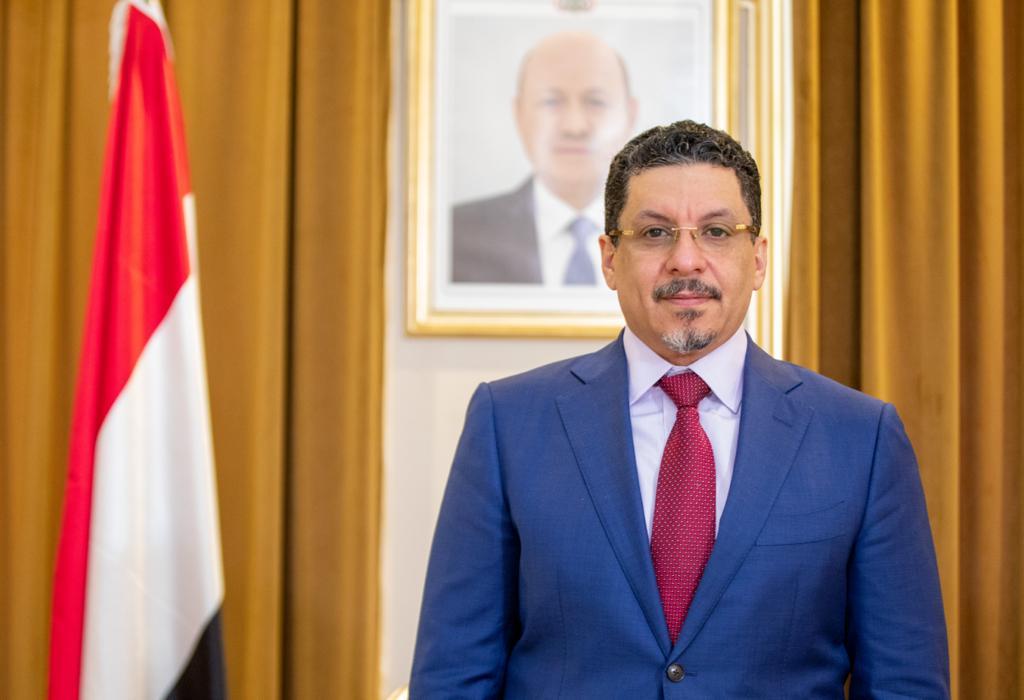
The appointment of bin Mubarak is expected to heighten tensions between the Houthis and the internationally recognized government. The Houthis, aligned with the anti-Western and anti-Israeli “axis of resistance” supported by Iran, have been targeting Red Sea shipping for months, citing solidarity with Palestinians and opposition to Israel’s actions in Gaza.
These attacks have disrupted maritime trade routes, leading some shipping companies to reroute around Southern Africa to avoid the Red Sea. In response, US and British forces have conducted strikes against Houthi missile sites and other military installations.
Bin Mubarak has called for the European Union to classify the Houthis as a terrorist group and has advocated for increased military assistance to government forces following the Red Sea attacks. His appointment signals a firm stance against the Houthi insurgency and suggests a more assertive approach by Yemen’s government in dealing with the ongoing conflict.












+ There are no comments
Add yours