

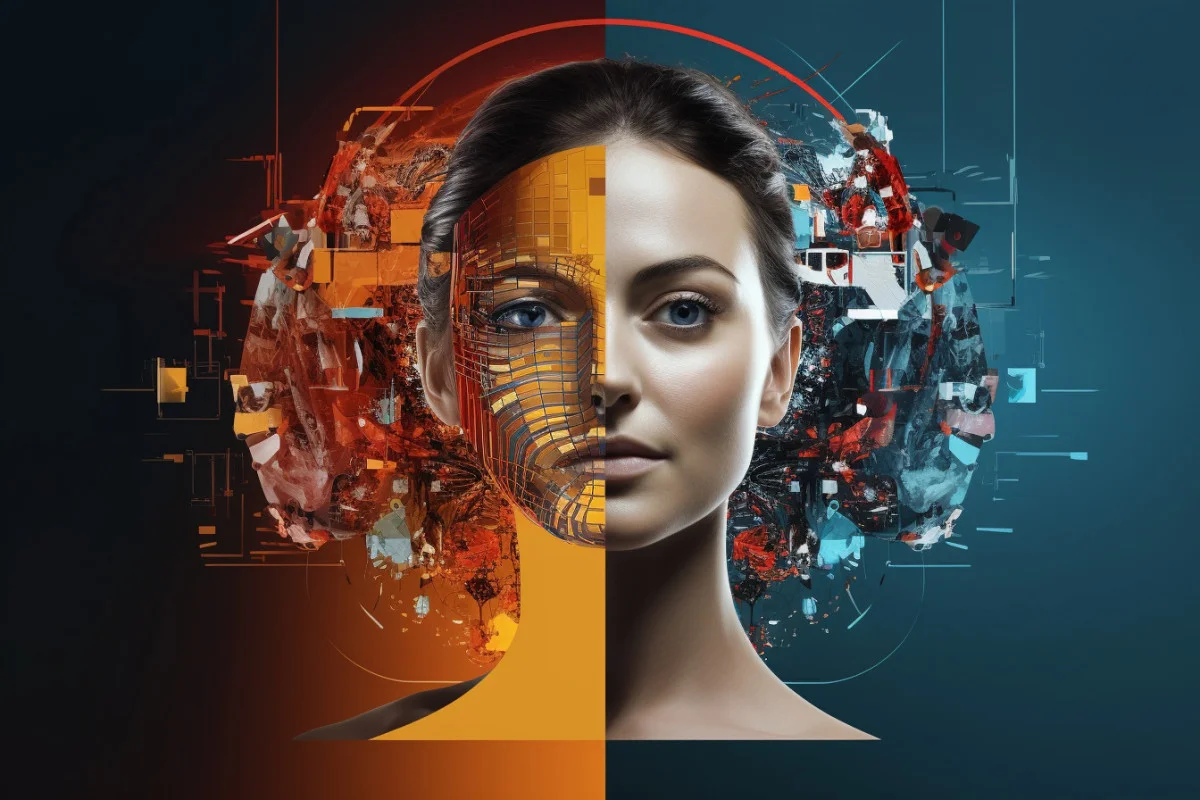
Meta unveils plans for AI image detection technology amid concerns about manipulated media, though experts warn of potential evasion tactics and limitations in addressing audio and video content.
Meta, the parent company of Facebook, Instagram, and Threads, is gearing up to introduce new technology aimed at identifying AI-generated images across its platforms. This initiative follows its existing practice of labeling AI-generated images, with hopes that this new tool, still under development, will catalyze efforts to combat AI manipulation in the industry.
In a blog post penned by senior executive Sir Nick Clegg, Meta announced its plans to expand the labeling of AI-generated content in the upcoming months. While acknowledging the technology’s current immaturity, Clegg emphasized the company’s commitment to stimulating progress in the industry.
However, not everyone is convinced of the efficacy of such measures. Professor Soheil Feizi of the University of Maryland’s Reliable AI Lab cautioned that such detection systems could be circumvented through simple image alterations, leading to potential false positives and limited applicability.
Despite its efforts, Meta recognizes the limitations of its AI detection tool, particularly in handling audio and video content, which are often the primary mediums for AI manipulation concerns. Instead, Meta plans to rely on user-generated labels for audio and video posts, with potential penalties for non-compliance.
Acknowledging the challenges posed by text manipulation tools like ChatGPT, Clegg conceded the difficulty in policing such content effectively.
Meta faced criticism from its Oversight Board regarding its policy on manipulated media, which was deemed inconsistent and insufficiently justified. The Board’s critique stemmed from a case involving a manipulated video of US President Joe Biden, which did not violate Meta’s policies since it did not involve AI manipulation.
While Meta agreed with the Oversight Board’s assessment, Clegg acknowledged the need for updated policies to address the evolving landscape of synthetic and hybrid content. Since January, Meta has enforced a policy requiring political advertisements to disclose the use of digitally altered images or videos.











+ There are no comments
Add yours