

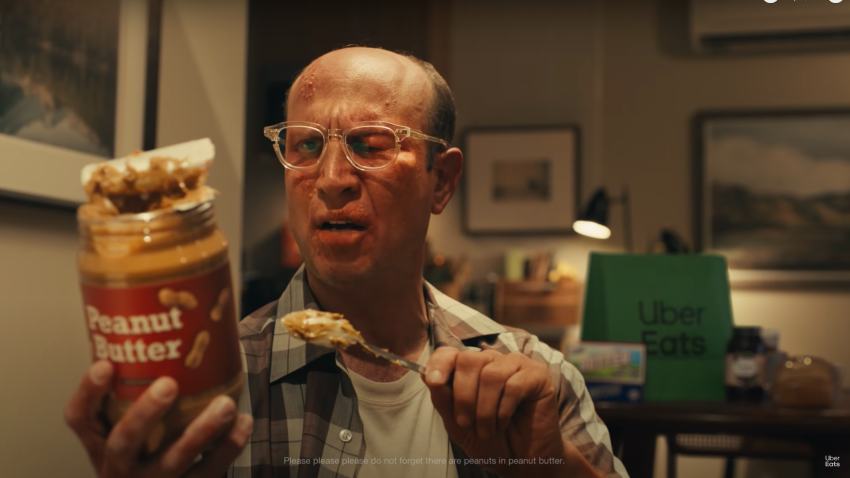
Uber Eats faces backlash over its Super Bowl ad, criticized for using allergies as a joke, particularly in a scene depicting a man with peanut allergies, prompting calls for greater sensitivity and awareness.
The recent Super Bowl ad from Uber Eats, titled “Don’t Forget Uber Eats,” has sparked significant controversy, particularly among individuals and organizations advocating for food allergy awareness. The ad, featuring Jennifer Aniston, David Schwimmer, and the Beckhams, took a comedic approach to the theme of forgetfulness but drew criticism for its portrayal of a man experiencing an allergic reaction to peanuts.
The Food Allergy Research & Education (FARE) charity expressed disappointment at the use of allergies as a joke, emphasizing the serious nature of food allergies. One individual, who himself suffers from peanut allergies, condemned the ad as “disgusting, tone-deaf, and completely unnecessary.”
The scene in question depicts a man examining a jar of peanut butter, seemingly unaware of its contents, and later displaying symptoms of an allergic reaction. Critics argued that such depictions trivialize the severity of food allergies and could potentially contribute to bullying, especially among children.
Dr. Sung Poblete, head of FARE, highlighted the potential harm of commercials that treat food allergies lightly, stressing the need for education and awareness. Anaphylaxis, she explained, poses a life-threatening risk and should not be the subject of humor.
While the ad attempted to mitigate concerns with a small disclaimer about peanut content, individuals like JD Arland, who lives with peanut and soy allergies, found the gesture inadequate. Arland, despite his frustration, saw an opportunity for Uber Eats to improve its services for individuals with food allergies, particularly in terms of ensuring clear communication with restaurants.
The controversy surrounding the Uber Eats ad underscores the importance of sensitivity and awareness regarding food allergies, particularly in a high-profile event like the Super Bowl, where millions of viewers are exposed to such content. As discussions continue, there’s hope for greater understanding and accommodation for individuals living with food allergies in the advertising and food delivery industries.










+ There are no comments
Add yours